
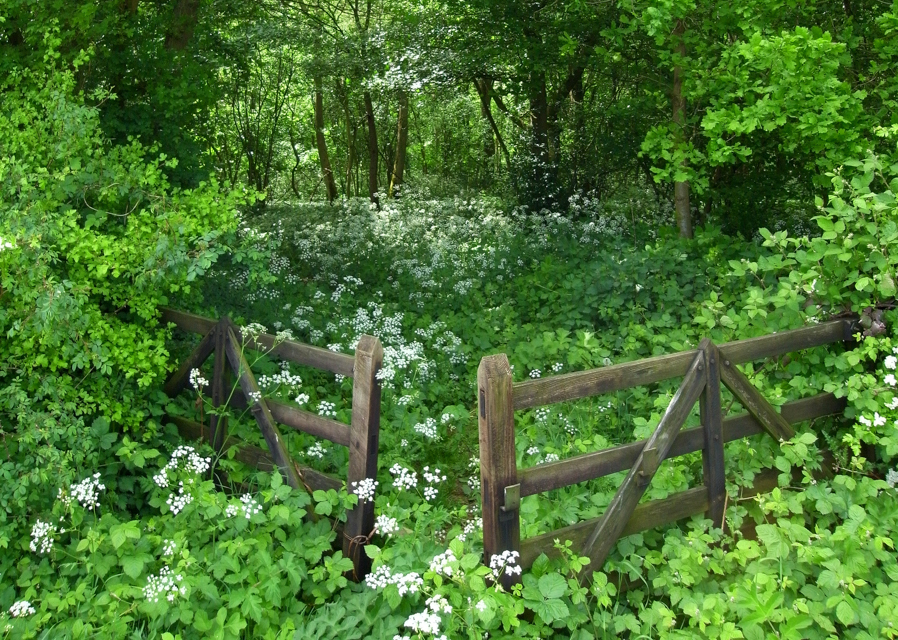

Ancient woodlands, those that were first recorded in 1600 or earlier, are the most diverse and valuable part of our landscape. Each ancient woodland is unique – shaped by local soils and climate. These complex and magical habitats, that have evolved over millennia, can’t be recreated
Our ancient woodlands provide safe havens for a vast range of wildlife and act like living arks from which wildlife can spread out into the wider countryside. They also help to limit the impact of climate change by soaking up rainfall, minimising the impact of flooding and locking away carbon. Just as importantly, they provide places of reflection and respite for us in a busy and challenging world.
Whilst they are wonderful places filled with wildlife, our ancient woodlands are no longer truly ‘wild’. They have been managed for hundreds, if not thousands, of years to produce various products: from timber for building ships and houses, to posts for fencing, charcoal fuel and even lace bobbins. Small sections would be repeatedly cut (or ‘coppiced’) over a cycle of seven to 20 years to produce the different materials, without killing the tree.
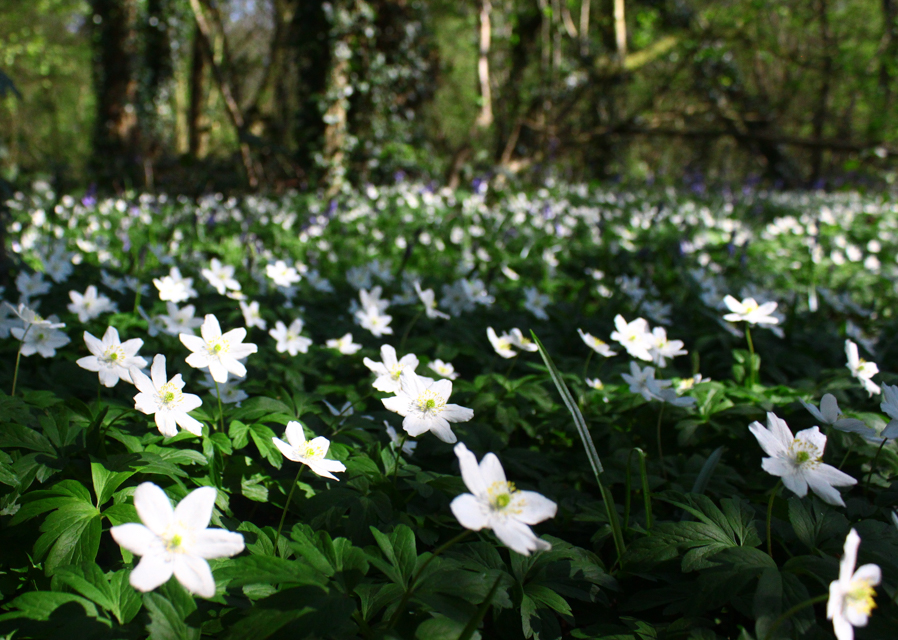
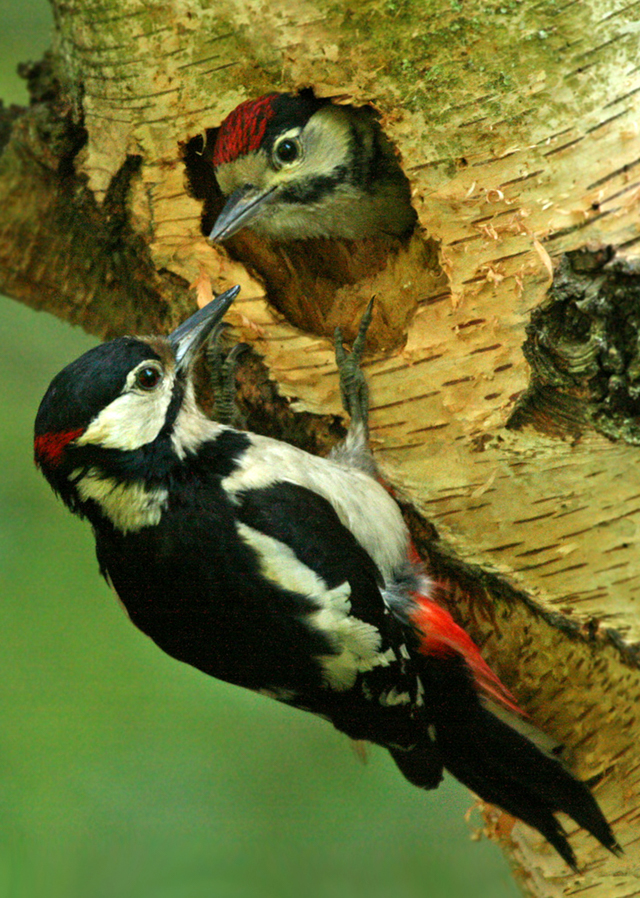
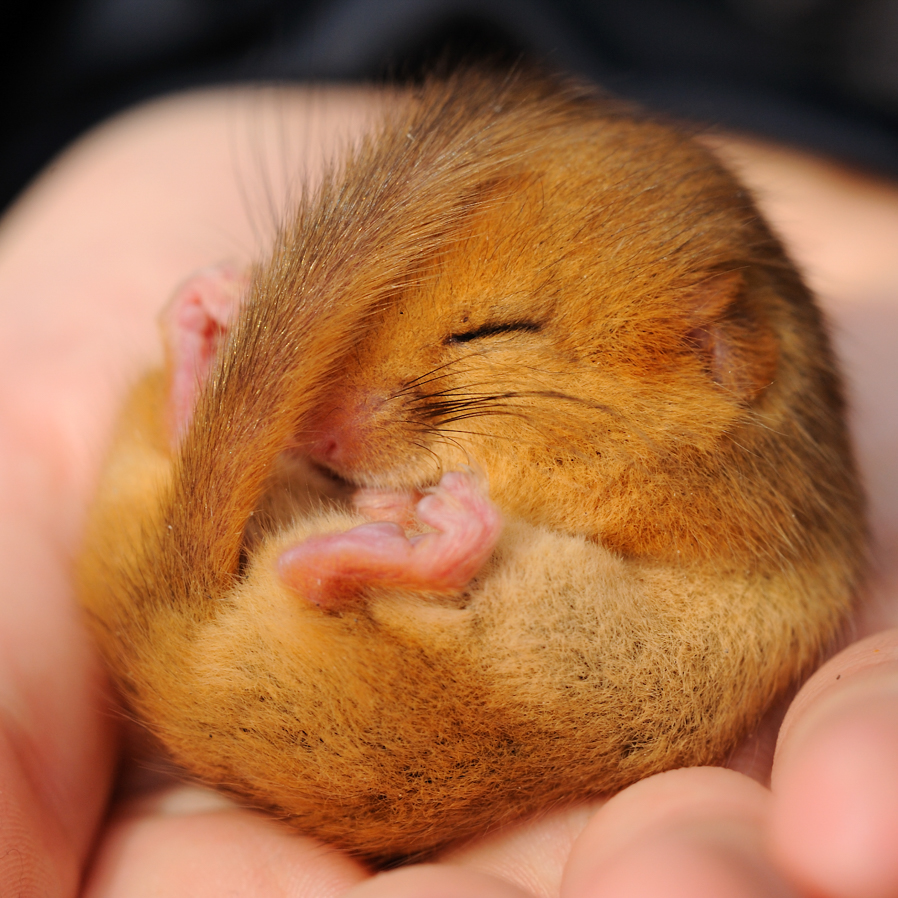
For a few years after coppicing, open areas of the woodland floor are rich in flowers. As trees regrow, these areas become crowded with shade-tolerant species like brambles unless the management cycle starts over. Traditional ‘coppice’ management ensures that clearings remain within the woodland for wildflowers, such as the iconic bluebell, and insects like butterflies to flourish (which in turn feeds the birds). The lush regrowth also protects ground-nesting birds, while any dead and decaying timber feeds fungi and is a gold mine for bats, invertebrates, woodpeckers and dormice.
As modern materials replaced traditional timber, the ancient craft of coppice management declined. Our woods became more and more shaded; many species began to die out or relocate. Countless woods were also ploughed, overplanted or built over. The ancient woodlands of our ancestors dwindled to from around 15% in 1086 to less than 3% of our landscape.
Once our original ancient woodlands are gone, there is no bringing them back. Over the past 50 years, Nottinghamshire Wildlife Trust has been saving and caring for some of our county’s finest. As we face up to the nature and climate crisis, and tackle threats such as pollution, pests and disease; our challenge is to take action to protect, restore and reconnect those that remain. Let’s do our bit as caretakers of this natural heritage and ensure future generations can enjoy our precious ancient woodlands too.
Get involved
To find out more about ancient woodlands in our care and how you can help us do more to restore them visit www.nottinghamshirewildlife.org.
Main image: Kirton Woods, Nottinghamshire Wildlife Trust