
September traditionally marks the transition from summer to autumn, and I would usually expect to be highlighting things to look out for such as blackberries, elderberries and fungi. After a record-breaking summer with successive heatwaves and prolonged drought, things will likely be quite different this year.
Blackberries will likely be over unless we get a second flush, and the elderberries near me are long since gone. What sort of fungal displays we’ll get this time around after so much dry weather is anyone’s guess.
The prolonged dry weather is likely to have at least suppressed fruiting as the above-ground parts of most fungi are made up of as much as 90% water. We are likely to see far fewer mushrooms and toadstools and if the drought persists, any that do fruit will quickly dry out.
In September I would normally suggest that folk look out for the early signs of colour change in the leaves on trees. Given the length of the current drought and the number of apples falling from my allotment trees due to water stress, I’d expect an accelerated arrival of autumnal yellow and orange shades.
With groundwater supplies reported to be reasonably healthy, there shouldn’t be any long-term impact on mature trees, but I’m sure many young trees, especially those in planting schemes will have succumbed if they’ve not been watered regularly.
On a more positive note, natural spectacles such as birds passing through on autumn migration should still be well worth looking out for. Another seasonal certainty is the annual deer rut, when male deer become more active and vocal to secure mating opportunities and put their rivals in their place.
As the bat mating season reaches its peak, you may also be able to spot bats gathering or ‘swarming’ close to known caves or roosts old mines such as those in the Peak District.
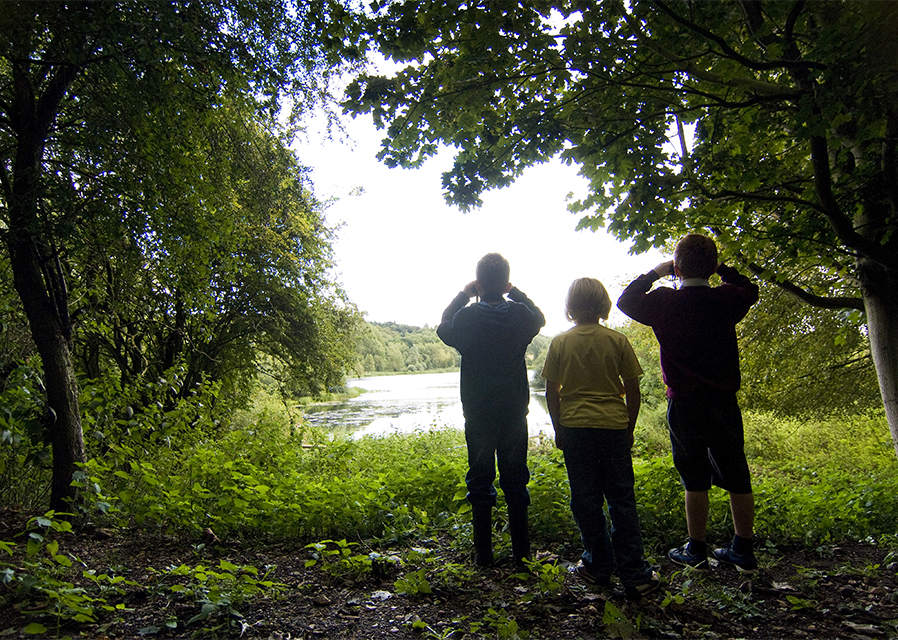
Given that the weather has been rather unseasonal, predicting what to see where and when this year is a bit more of a lottery. However, there will be plenty of wildlife to see and a few surprises. After a summer that’s frankly been a bit bonkers, the best advice I can offer is to make sure you set time aside to get out wildlife watching. Whatever you end up seeing, I can guarantee that you’ll feel all the better for it.
Fix Nature – Fix Health
Evidence shows that time spent in nature improves your physical health and your mental wellbeing. It can even help to prevent a whole range of illnesses, from chronic stress to heart disease and obesity. Having nature close by supports healthy immune systems and enables us to recover more quickly from illness. Health programmes focused on nature can also save the NHS money.
Tell us how nature helps you
The Wildlife Trusts want to hear directly from you about how nature has helped your health and wellbeing. How does nature make your life better?
Your story will help us to speak to people making policy decisions, such as MPs and Ministers. It will help us to make sure policies that affect people’s health and access to nature are informed by real people. For further details and to take part visit www.wildlifetrusts.org/get-involved/campaign-us/fix-nature-fix-health.
Image: Mark Roberts