
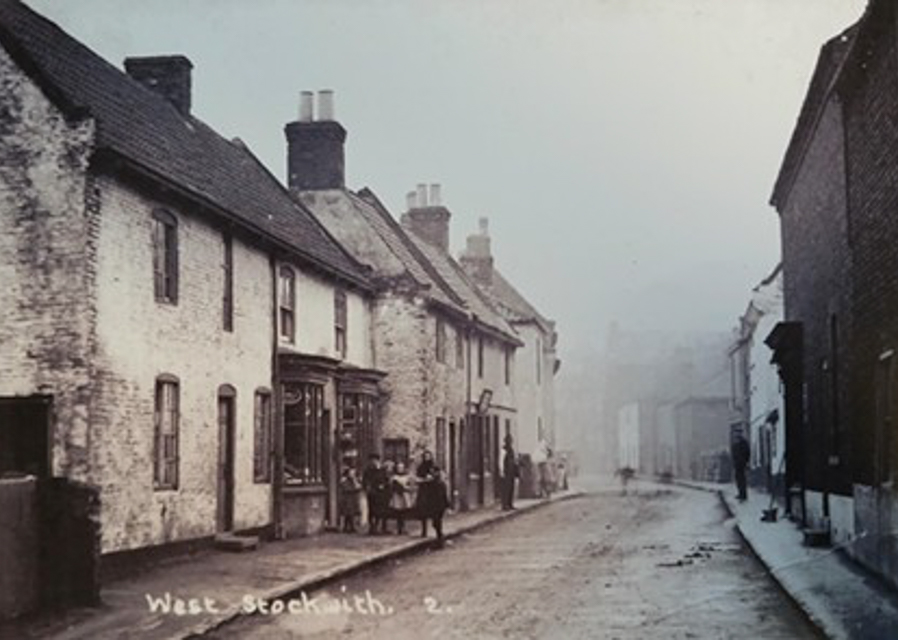
The small village of West Stockwith, situated on the banks of the River Trent, has a rich and fascinating history, with many traces of its past still visible today. Historically, the village thrived on farming, shipbuilding and trade. Religion also played a significant role in daily life, evidenced by the presence of three thriving churches at one time. During the 19th century, West Stockwith had ten public houses, and its reputation was somewhat tarnished by the transient boatmen who passed through. Housing was clustered around narrow yards, and reliance on water from the Trent contributed to the spread of infectious diseases.
On Thursday 10th July, local historian David Seymour will lead a ‘walk and talk’ around the village. The route will take in three listed buildings, the remaining church and its grounds, the banks of the Trent and the historically significant canal basin. The walk will begin at 7.00pm from the Parish Church. It is mostly flat – partly along worn grassy banks of the Trent and mainly along pavements – and is expected to last around two hours.
Anyone wishing to take part is asked to contact David on 07952 544604 so he can estimate numbers. If the walk proves oversubscribed, an additional date will be arranged.
The walk is free to attend, though donations are welcomed to support the restoration of St Mary’s Church.
A handful of key points of interest include:
- St Mary’s Church – built in a former shipyard with a legacy from its owner. This 300-year-old Georgian church has stood at the heart of village life since 1722. Remnants of the Alms Houses once located on the site remain visible.
- The former Wesleyan Chapel.
- One of the few remaining public houses, The White Hart, which shows evidence of expansion and marks the original location of one of the village’s butcher’s shops.
- Behind The White Hart, along the banks of the River Idle, was once the location of the Flax Mill.
- The Raft Yard, one of several historic yards off Main Street—so named for the timber rafts floated down the Trent from Sherwood Forest and the Welbeck Estate for shipbuilding.
- Several water lanes from Main Street to the Trent, where locals once fetched their water.
- The site of the former Malt Kiln, now a park, which was once used to process barley for brewing beer.
The walk will also help inform the second part of a talk David will present at St Mary’s Church in the autumn, which will draw upon old photographs and research he has compiled over the past year.