
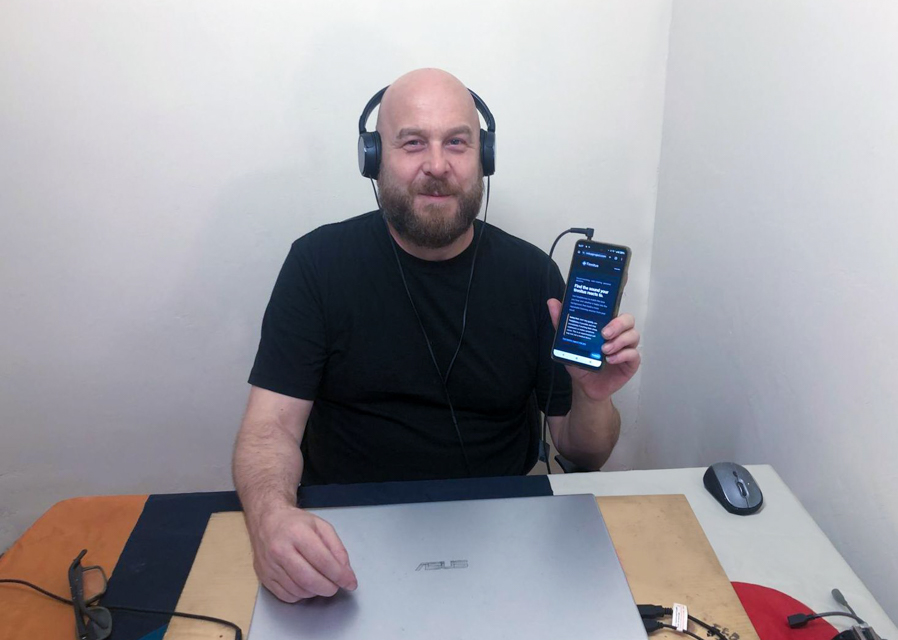
For Rotherham resident Dan Blackburn, tinnitus has been part of life for as long as he can remember. The ringing and high-pitched sounds became increasingly intrusive over the years, and after becoming frustrated when seeking practical help he created The Tinnitus Project. “I cannot remember when my tinnitus began,” Dan said. “In some form, I think it may always have been there. The first time it really bothered me was after seeing Pink Floyd in Paris in 1989, when I was 16. But it was around the time of my heart attack, decades later, that it became a daily problem.
“When I looked online for help, I found endless Facebook adverts promising relief. Many seemed designed to wear down people who were already frustrated. Mention tinnitus during a routine doctor’s appointment and there is rarely time to explore it properly.
“Too often, people are simply told that nothing can be done and they must learn to live with it. That may be partly true – there is no universal cure – but it leaves out an important part of the story. There are things people can try, and learning to live with tinnitus does not have to mean being left alone with it.”
Using research, experimentation and a determination to understand his own symptoms, he developed a series of tools that helped reduce the impact tinnitus had on his life. What was once a constant source of distress became something he could often ignore, describing the experience as similar to the feeling of clothes against your skin: always there, but no longer demanding attention.
The Tinnitus Project is a free online resource which allows users to identify and match the sounds they hear and create personalised sound sessions that may help lessen the prominence of tinnitus. For many sufferers, simply hearing an external version of the sounds they experience internally can be a powerful and reassuring step.
The project is also developing a directory of clinics and therapists, helping people connect with local support services, including practitioners offering cognitive behavioural therapy (CBT), which can help reduce the anxiety and distress often associated with tinnitus.
The tools are free at http://www.thetinnitusproject.com. Practitioners interested in joining the project can submit their website for approval too.