
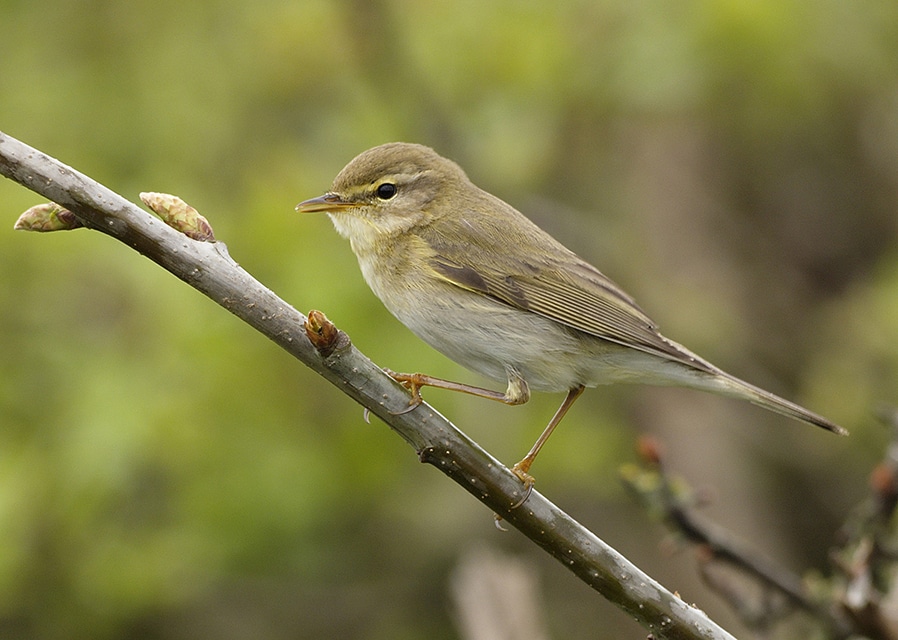
Spring bird migration has been described as the great rush north – as birds race back to favoured northerly breeding grounds after winters spent in milder more southerly locations as far away as Antarctica.
With individual birds, whether seasoned migrants or first-time returners, vying for prime territory or the perfect mate, there is a real sense of urgency about their movements. It is rare for spring migrants to hang around in any one place for long – instead, resting up and feeding at a series of pit stops enroute to their chosen destination.
The UK bird population is rarely settled. Except for a period in early summer, the mix of species is constantly changing due to the seasons and weather patterns and birds’ movements between breeding and overwintering areas. This ever-changing picture features summer visitors returning to breed from Southern Europe, Africa and beyond; summer breeders heading back south after the shortest of stays; huge numbers of wading birds including lapwings and curlews arriving along our coasts and at wetland, along with an influx of woodcocks, each autumn from Scandinavia and further east – plus winter visitors such as redwings and fieldfares checking in to take advantage of our relatively mild winters.
For wildlife watchers this fascinating flux provides variety and interest throughout the year and, whilst it would be difficult to rank one season over another, the arrival of summer visitors such as the cuckoo, swifts, swallows and housewarming – plus a chorus line of warblers and other songbirds – marks out spring as favourite time of year for many.
Many summer visitors are insect eater that would simply starve if they attempted to winter here in the UK when insect numbers plummet.
Whilst changeable weather patterns mean we’re now as likely to get snow showers at Easter as Christmas; in the birding world, things really begin to hot up as March gives way to April. Species arrive thick and fast, with swallows, house martins and willow warblers amongst the next wave followed later in the month by garden warblers, swifts and turtle doves. The arrival of the cuckoo each April is seen as a classic marker that spring has well and truly sprung.
With long days making this a wonderful season to spend time wildlife watching, I’d recommend heading out to a local wetland site such as Besthorpe Nature Reserve in the Trent Vale or our Idle Valley Nature Reserve near Retford in search of sand martins, swallows or willow warblers – or perhaps one of our woodlands such as Duke’s Wood near Eakring or Kirton near Ollerton, to listen out for your first chiffchaff.
Get involved
Details of all our nature reserves as well as walks and other events can be found at www.nottinghamshirewildlife.org.
Image: Willow Warbler, Andrew Parsons