
Despite the cold, and often because of it, mid-winter can be a great time to get outdoors to watch wildlife. Whether catching a fleeting glimpse of a mixed flock of tits seeking out sustenance along the hedgerows or spending an afternoon watching winter wild fowl, there’s plenty of opportunity to get close to nature as long as you wrap up warm.
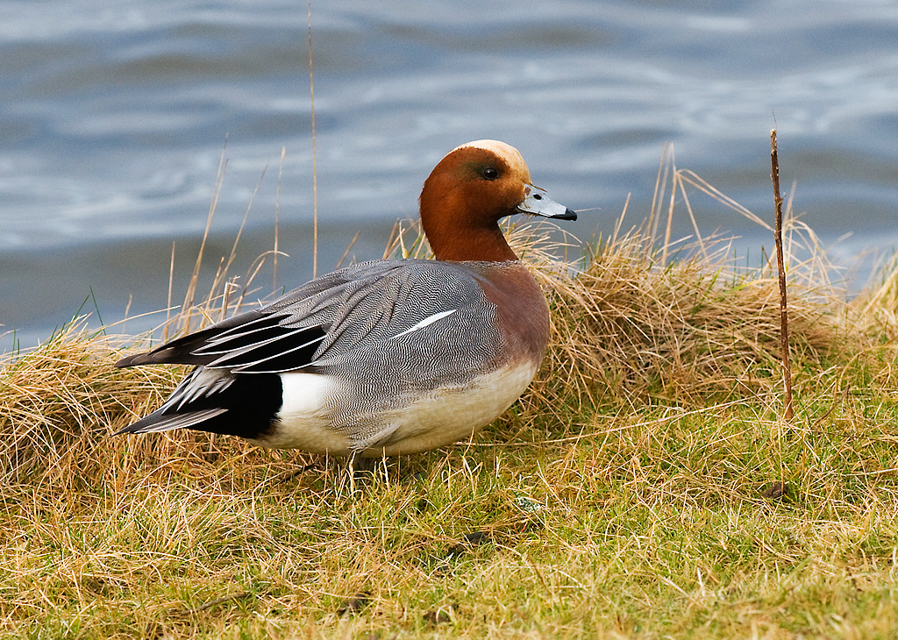
Woodland birds and other wildlife, including deer, can be easier to spot whilst the trees are bare. Wetland sites such as Idle Valley and Daneshill Nature Reserves near Retford come alive with winter visitors such as wigeon, teal, pochard and goldeneye. Idle Valley is also a good place to find red-crested pochard. On particularly cold and crisp days there is also something magical about witnessing wildlife against a frost backdrop.
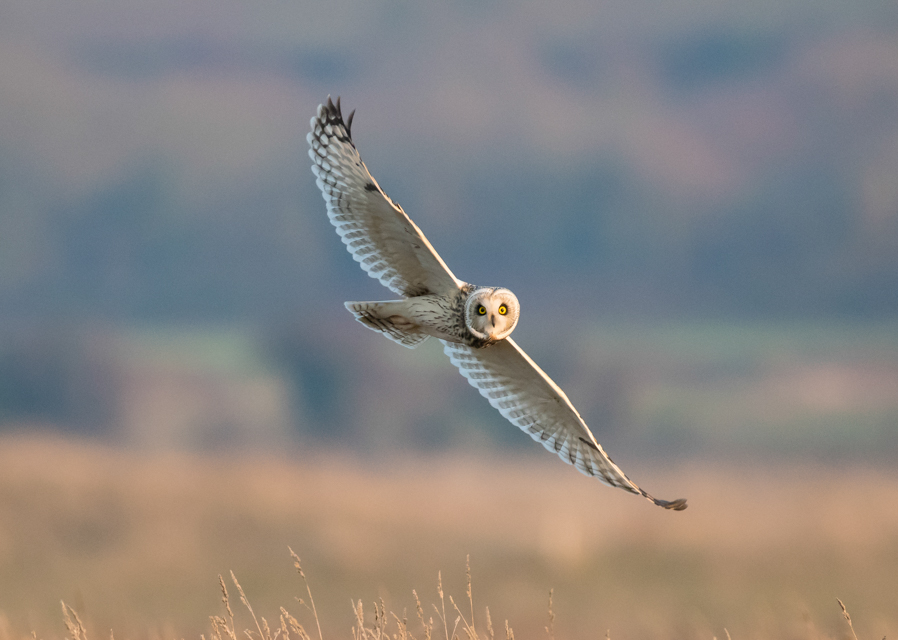
Other species to look out for at Idle Valley in winter, along with the large numbers of duck, geese and swans include birds of prey such as the spectacular short-eared owl and majestic marsh harrier.
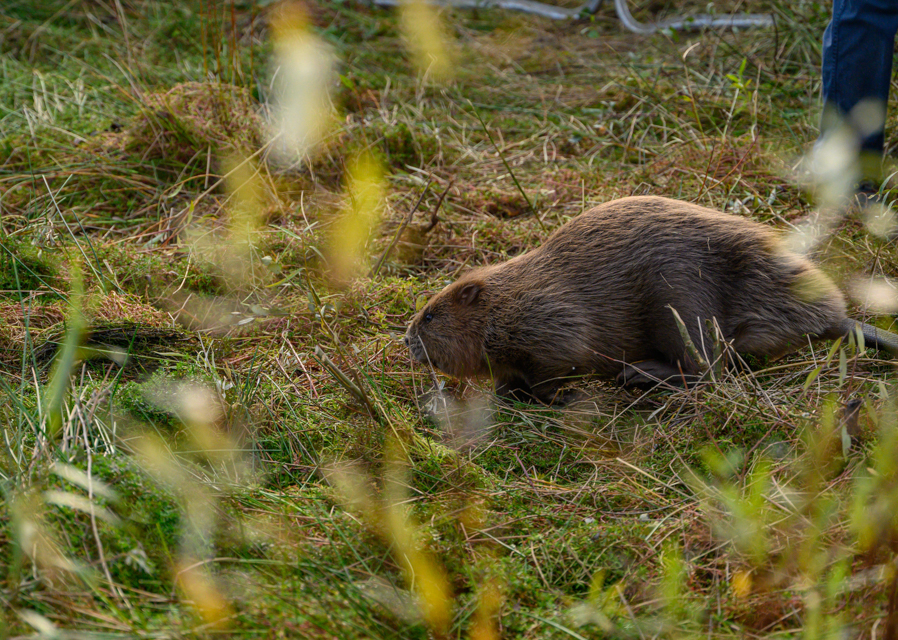
Following their re-introduction at Idle Valley Nature Reserve in November, this will be the first winter for over four centuries when beavers might be spotted in Nottinghamshire. Beavers are gradually settling into a special enclosure, the largest in England. As well as being in a large enclosure, they are mostly active at dawn and dusk, so the chances of seeing one are slim – but you should be able to see evidence of presence.
As they make themselves at home they’ll be busy chewing through trees to construct lodges and dams and they will harvest smaller sticks and branches to stockpile for eating over winter. This activity might look destructive, but most trees they chew will grow back vigorously in the spring – helping ensure the beavers have a healthy food supply next year.
By helping control tree growth, the beavers will also keep areas of open water essential for many of the wetland birds Idle Valley is known for. In the long-term their skills as nature’s engineers – digging canal systems, building dams and coppicing trees and shrubs – will make habitats at the reserve more diverse and benefit species including otters, water voles, birds, invertebrates (especially dragonflies) and fish.
Get involved
This winter Nottinghamshire Wildlife Trust will be organising guided tours of the beaver enclosure to look for signs of beaver activity and an opportunity to learn more about our latest residents. In the spring the Trust plans to offer beaver spotting sessions too.
For details of our events visit www.nottinghamshirewildlife.org/events.
Main image: Jim Connolly Photography