
September sees the advance of autumn. Due to the unusual and in some cases, record breaking, warm, dry weather in 2025, some of the seasonal shifts that we would expect may already be well advanced or even over but there is still plenty of wonderful wildlife to enjoy.
Whilst it is likely that the autumnal harvest of ripe fruits such as blackberries and apples arrived much early than usual, there will at least be fruit around for creatures keen to build up their reserves for the harsher months ahead. Given that its berries form amongst the shade of densely arching branches, there should still be elder berries for species such as blackbirds, thrushes, and robins to feast on. As well as seeing these tightly packed bunches of small, purple, verging on black berries with our own eyes, the arrival of this autumn favourite is often announced by the sight of dark purple dropping deposited on clothes hung out to dry! Having to put your sheets through another cycle might be frustrating, but at least you know that our favourite birds have been feeding up! Although unpalatable to our tastes, elder berries are devoured by more bird species than any other native British fruit.
Whilst many species stay local as the seasons progress, others including warblers and wetland birds such as waders are very much on the move. More birds leave our shores in autumn than arrived in spring since millions of young birds will be making their first migratory journeys. Species departing include millions of willow warblers which, like many other migratory species that breed here, will now be on their way back to their favoured forest and savannah habitats in sub–Saharan Africa. Other birds travelling south, having bred in much more northerly latitudes, will now be arriving on our shores including waders such as greenshank, dunlin as well as geese and swans. Whilst some of the autumn arrivals remain over winter, others including waders such as ruff may just be passing through before heading much further south. The Trent Valley is an important international migratory route – and the plethora of wetlands, formed at former sand and gravel extraction sites along the valley means we are spoilt for choice in terms of options to witness the seasonal spectacle.
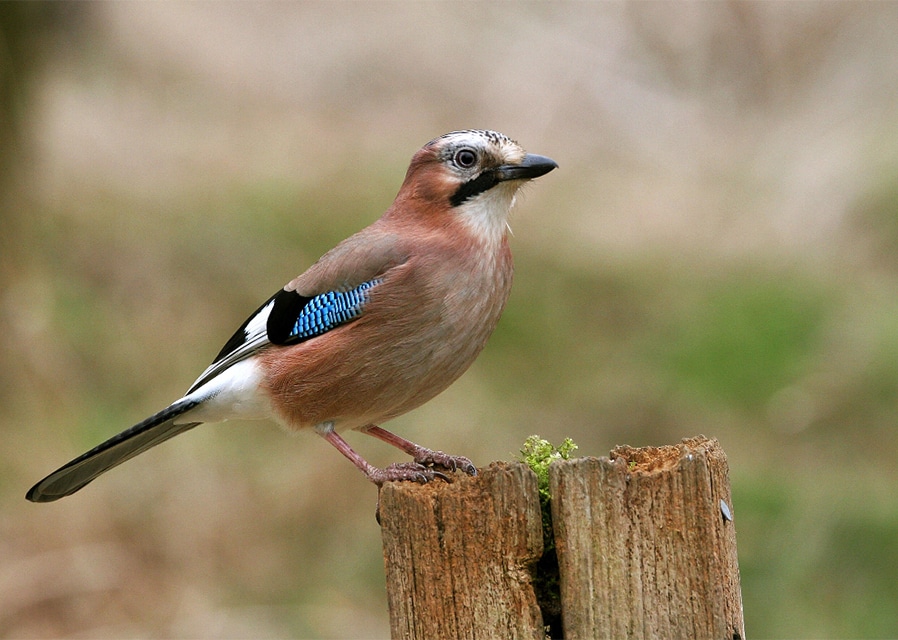
As well as opportunities to see migrant birds, September provides ideal conditions to see one of our most colourful resident species – the Jay. One of my favourite birds, their spectacular, almost exotic, colours are a delight to spot – but for much of the year, the birds hide in plain sight in the treetops. In autumn they tend to be more likely to be seen as they busy themselves building up stores of nuts including acorns to see them through the lean times of winter. Another equally if not even more exotic looking bird to look out for as autumn beds in are goldfinches, as they flock together with other birds to seek out small seeds on plants such as thistles and teasels.
Stay connected
September is a great month to get out and about to take in the landscape and to seek out wildlife. Details of our nature reserves across the county, as well as our varied events programme can be found at www.nottinghamshirewildlife.org.