
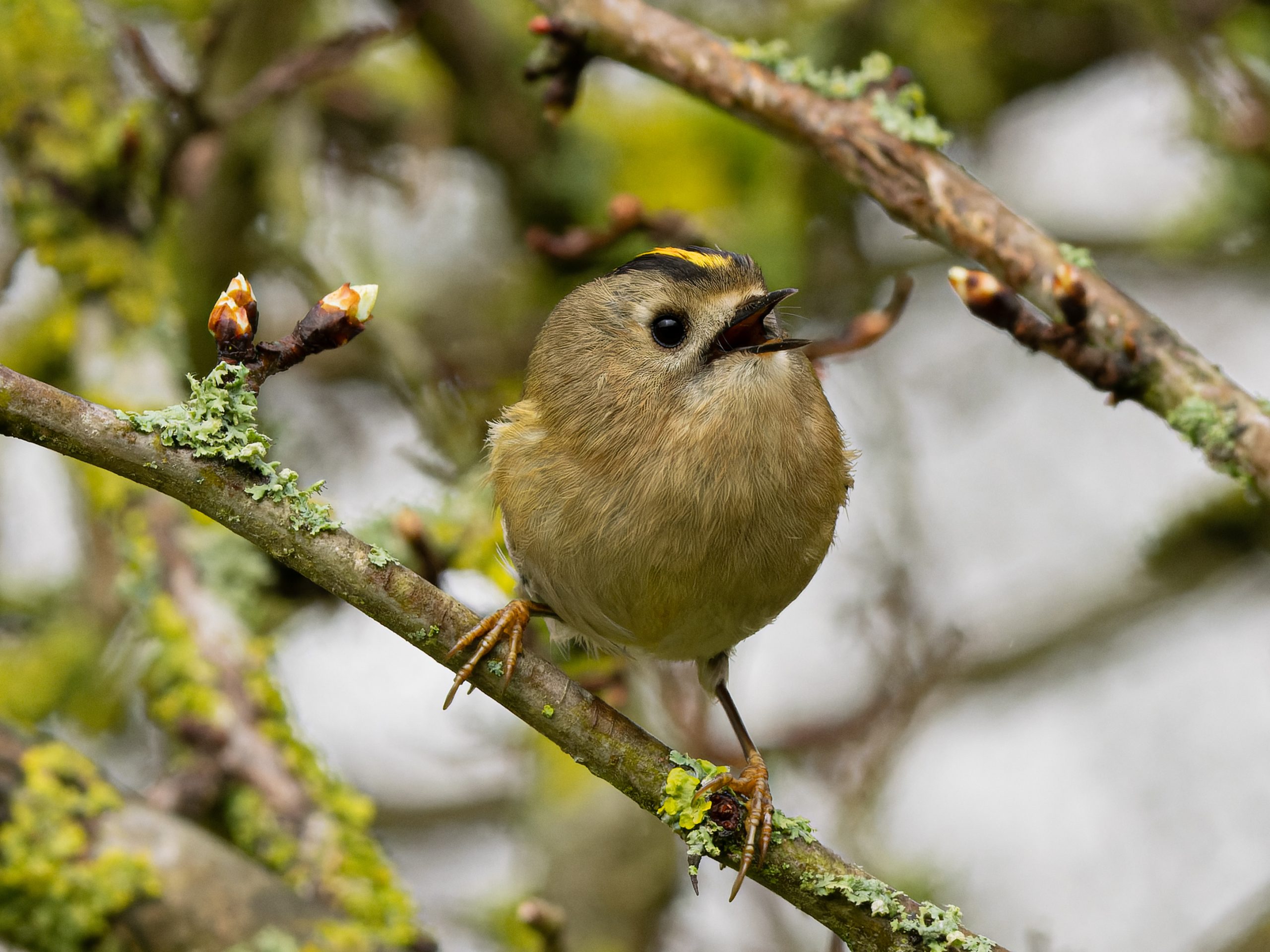
Having mentioned autumn bird migration only briefly as one of the seasonal highlights in last month’s article, it was a little remiss of me to gloss over such a wonderful wildlife spectacle. I’m delighted to give it the time and space it deserves here.
The annual cycle of arrivals and departures amongst our bird populations helps to keep wildlife watching interesting throughout the year and provides ample opportunity to reflect on the awe-inspiring distances some species travel to reach our shores. Rather than lamenting the loss of summer favourites such as the swifts and swallows, we can look forward to welcoming a raft of waterbirds as well as Europe’s smallest bird, the goldcrest, which should be on display in the Sherwood Forest area in the months ahead.
Whilst summer migrants pour into the UK to take advantage of an abundance of insect food to sustain their hungry offspring, birds arriving in autumn to spend the winter benefit from our relatively mild climate.
Autumn migration has the added dimension of many birds just passing through, including willow warblers and chiffchaffs that have spent the summer further north. Seasonal squalls and storms present the prospect of surprising species turning up after being blown off course. Westerly winds offer the chance of American waders or songbirds dropping in, while easterly winds might deliver birds more usually found in Siberia.
The coast offers great opportunities to observe the seasonal changing of the guard, with huge numbers of birds departing, arriving or simply stopping off as they use our coastline as a natural navigational route.
Closer to home, wetland sites including our own Besthorpe Reserve alongside the Trent north of Newark, are great places to watch winter flocks of swans, geese and other waterbirds. Further south, Attenborough Nature Reserve near Nottingham, which was opened 60 years ago by Sir David Attenborough, offers good numbers of wintering wildfowl such as goldeneye, pochard and goosander, as well as the potential to see rarer species such as smew.
Both sites sit in the Trent Valley, which acts as a natural superhighway for migrating birds. Former sand and gravel quarries, like Besthorpe and Attenborough that have been restored for nature are a real feature of the Trent Valley which we probably take for granted.
Another great example is Idle Valley Nature Reserve, near Retford, which holds large numbers of wildfowl in winter and boasts an impressive species list including many local or national rarities such as whiskered tern. Like Attenborough, it also boasts a welcoming café where you can get a warming drink after a spot of wildlife watching and a shop where you can pick up a pair of binoculars or a ‘scope to get clearer views.
Across the country and county, seasonal delights include the prospect of seeing large flocks of redwings and fieldfares as they arrive from Scandinavia and starling murmurations which could start any time – but become even more impressive as autumn gives way to winter.
Further afield
The Wildlife Trusts also care for a range of sites across the Midlands including Whisby Nature Reserve in neighbouring Lincolnshire or Potteric Car near Doncaster.
For details of these and other great Wildlife Trust reserves to watch wildlife this autumn visit www.wildlifetrusts.org/visit/where-see-seasonal-wildlife.
Image: Jon Ward