
Whilst the ideal August might see plenty of blue skies and warm summer temperatures, it is inevitably the month in which summer begins to segue into autumn and whilst our seasons have never been neatly framed, climate change seems to be blurring the edges of our seasonal shifts.
August should be a month to enjoy displays of pink and purple heather and the last of the wildflowers in late meadows, but the heatwaves the summer has served up already in 2025 mean that in many places is well past its peak in many places and hayfields have long since been cut and baled.
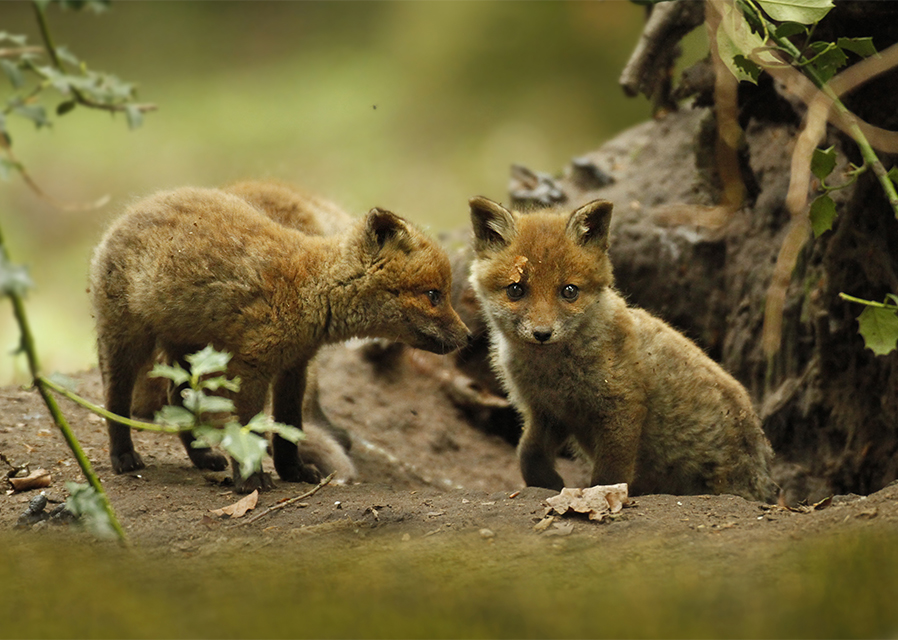
The heat means that green hues in the landscape have already taken on a range of autumnal golds and yellows – but there is still colour in the form of migrant butterflies such as the painted lady. If you do spot butterflies this month, you can still take part in Butterfly Conservation’s Big Butterfly Count up to 11th August. The early harvest of crops such as wheat and barley also means there’s a good chance of spotting hares in the stubble fields and in the wider landscape, it’s a good time to look out for young mammals such as foxes, stoats and badgers.
With much of the landscape parched, you might fancy a walk by water and a stroll by a river or canal will provide opportunities to enjoy the sight of colourful dragonflies as numbers reach their peak, or the flash of a kingfisher diving for a fish or flitting between bankside perches. Whilst swifts are likely to have left on their journey back to Africa, you might also see swallows and martins swooping in search of insect prey – many still busy rearing second broods before they too make their long trek south. As evening falls the same insects will be hunted by bats and its worth taking the time to admire their flying prowess in the twilight.
The month is always a favourite for trips to the coast. As well as the chance to take advantage of warmer sea temperatures when enjoying a paddle or a swim, there is plenty of coastal wildlife to enjoy. Seabird colonies of gannets and puffins are still busy and a walk along a coastal path or a late summer boat trip at this time of year can also throw up the prospect of sightings of whales or dolphins just off the shore.
Whilst our summers and our seasons are less predictable than they many have been in the past, one certainty is that you won’t see any wildlife if you don’t get out and about to take a look – so whatever the weather, make the most of nature by getting out to explore.
Nottinghamshire Wildlife Trust is the county’s largest environmental charity – run by local people for the benefit of local wildlife. We manage nature reserves across the county, champion nature and inspire adults and children about the natural world. Together we are working to create a wilder future for Nottinghamshire.
Get involved
Are you a member of Nottinghamshire Wildlife Trust?
Join now at www.nottinghamshirewildlife.org or call 0115 958 8242.
Image: Jon Hawkins